
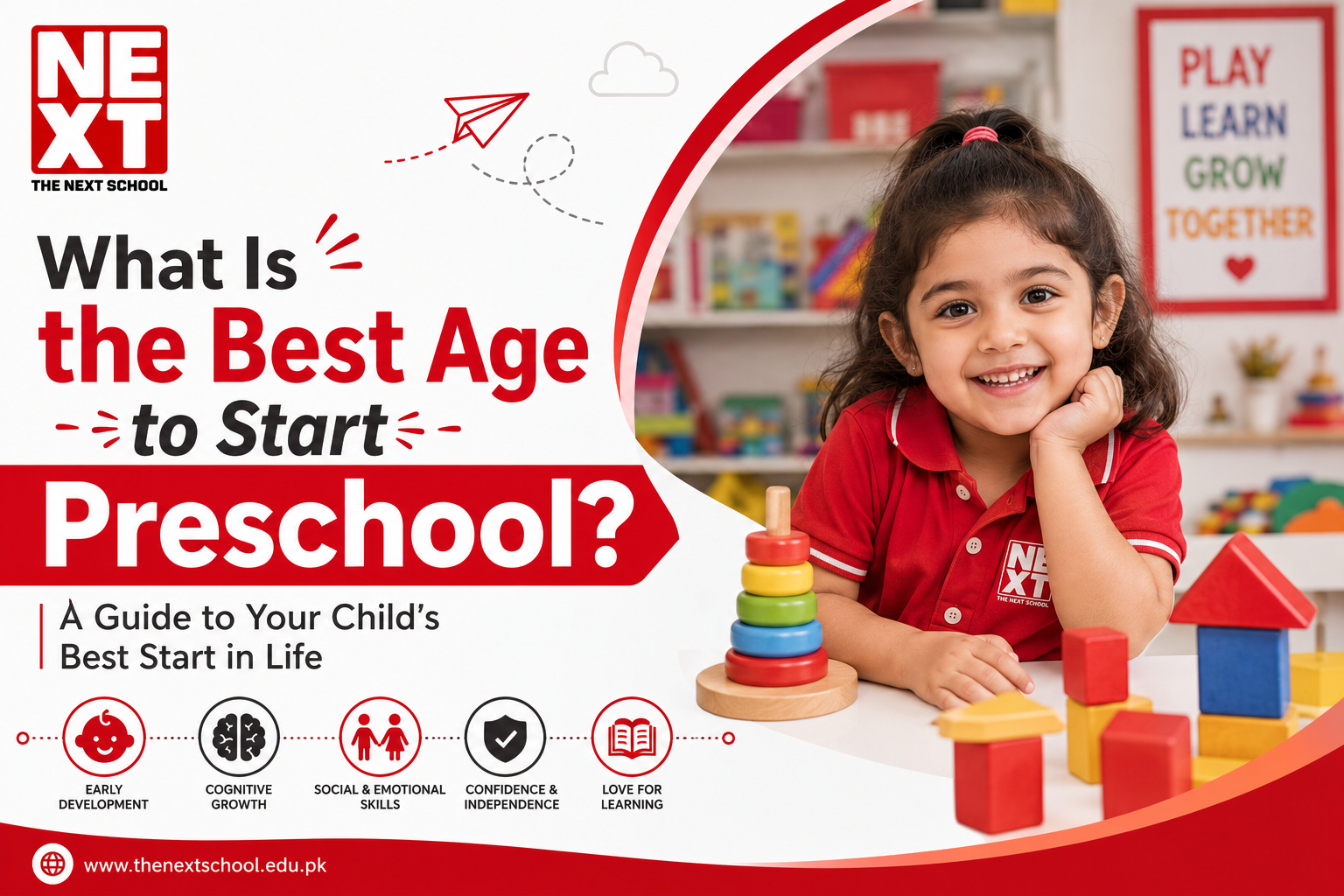
I get asked this a lot, and honestly, there’s no magic number that works for every kid. If you’re Googling the best age to start preschool at midnight because your toddler just threw a plate across the kitchen and you’re wondering if a few hours away from home would help both of you — you’re not alone, and you’re asking the right question.
Most early childhood specialists land somewhere between 2.5 and 4 years old as the general window. But the “right” age has less to do with the calendar and more to do with your specific kid — their personality, how they handle being away from you, whether they’re curious about other children or still glued to your leg at the park.
So instead of giving you one tidy answer, let’s actually walk through what matters: timing, readiness signs, the real benefits (and a few myths), and how preschool is genuinely different from daycare.
When Should a Child Start Preschool?
Here’s the practical answer: most preschools start taking kids around age 3. Some will take a 2.5-year-old if they’re potty-trained and can more or less follow along with a group. By 4, most kids are ready for something a little more structured — letters, numbers, that kind of thing.
But age alone isn’t the whole story. A better gut-check: can your child tell you (in whatever words they have) that they’re hungry or need the bathroom? Can they follow a simple two-step instruction, like “put the blocks away and grab your shoes”? Can they be away from you for a couple of hours without completely falling apart? If yes to most of that, they’re probably ready — even if they’re a few months younger or older than the “typical” age.
Ideal Age for Preschool, Broken Down a Bit
It helps to think of this in loose stages rather than one fixed number:
- Around 2.5 to 3, kids do best with short, play-heavy sessions. This isn’t the time for worksheets — it’s about learning to share a toy without a meltdown.
- Between 3 and 4 is really the sweet spot most programs are built around. Kids at this age tend to talk more, want to be a little more independent, and can actually sit through circle time without wandering off every two minutes.
- By 4 to 5, a lot of families move into pre-K, which starts bridging into the more academic stuff kindergarten will expect.
None of this is set in stone. I’ve seen plenty of confident, chatty 2-year-olds thrive early, and plenty of perfectly capable 4-year-olds who just needed one more year at home first.
Signs Your Child Might Actually Be Ready
Forget the birthday for a second. These are the things worth watching for:
- They can handle being away from you for a few hours without spiraling.
- They actually want to be near other kids, not just tolerate them.
- They can follow short instructions without you repeating yourself five times.
- They’re mostly potty-trained, or close enough that it’s not a daily crisis.
- They can get their basic needs across, even if it’s not perfect sentences yet.
If most of that sounds like your kid, age becomes almost a footnote.
The Real Benefits of Starting Early
There’s genuine research behind starting preschool when a child is developmentally ready, not just the marketing kind of “early is always better.”
Socially, kids figure out how to share, take turns, and — this one’s underrated — recover from small conflicts without an adult stepping in every time. That’s a skill that pays off for years.
Cognitively, all the songs, shapes, colors, and early counting aren’t just cute — they’re quietly building the foundation kindergarten will lean on.
Language grows faster too, mostly from being surrounded by new vocabulary from teachers and other kids all day.
There’s also a confidence piece that’s easy to overlook. Small, everyday wins — hanging up their own coat, washing their own hands — build a kind of independence that’s hard to replicate at home.
One honest caveat: pushing a child into preschool before they’re emotionally ready can backfire. I’ve seen it turn into weeks of tears at drop-off instead of the confidence boost parents hoped for. Readiness really does matter more than the number of candles on the last birthday cake.
Preschool vs. Daycare — They’re Not the Same Thing
A lot of parents use these words interchangeably, but they’re built differently.
Daycare is mostly about care and supervision — safe, structured, but not necessarily built around a teaching curriculum. It often covers a wider age range too, from babies up through preschool-age kids.
Preschool is intentionally designed around getting kids ready for kindergarten. Think structured activities, early literacy, and a lot of guided social-emotional learning baked into the day.
Plenty of centers blend the two, offering full-day care with a real preschool curriculum layered in. When you’re comparing options, it’s worth asking directly: how much of the day is guided learning versus free play, and what’s the staff-to-child ratio?
Why Development, Not Just Age, Drives the Timing
Every kid develops at their own pace, and comparing your child to their older cousin or the neighbor’s kid rarely helps anyone. What’s actually worth paying attention to:
- Speech and language milestones.
- Fine and gross motor skills.
- How they engage with other kids.
- How they handle being separated from you.
If your child is a little behind in one area but ahead in another, that doesn’t automatically mean you should wait. Most good programs are built to handle a range of developmental stages in the same room.
What Enrollment Age Actually Looks Like
Most preschools set a minimum age somewhere between 2.5 and 3, and a lot of them tie it to a specific cutoff date — September 1st and December 1st are common, depending on where you live. Some require potty training before day one, though more programs these days are flexible on that.
It’s worth checking directly with schools in your area — a place like The Next School can walk you through their specific age cutoffs and readiness requirements rather than guessing based on general rules.
Getting Your Child Ready for the First Day
Once you’ve decided it’s time, a little prep goes a long way:
- Visit the school together before the first real day, so it’s not a totally new place.
- Practice short separations at home first — even leaving them with a grandparent for an hour helps.
- Read a book or two about starting school so it feels normal, not scary.
- Get a morning routine going a couple weeks early instead of springing it on them.
- And talk about preschool like it’s something exciting, not something to brace for.
None of this guarantees a tear-free drop-off (few things do), but it usually makes the adjustment smoother for everyone.
So, What’s the Answer?
If you want one honest takeaway: somewhere between 3 and 4 years old is the sweet spot for most kids, but readiness matters more than the exact age. Watch how your child handles separation, curiosity toward other kids, and basic communication — that’ll tell you more than a birthday ever will.
If you’re comparing programs nearby, The Next School is a good place to start looking into enrollment ages and readiness expectations for your area.
At the end of the day, the best time to start is when your child — and honestly, you too — feel ready to take that step.
For more information, visit www.thenextschool.edu.pk